The easy miss is not always an obviously distorted bottle. The ivory cap is there, the silver ring is there, and the light looks lovely. Approval feels easy. But a wrong volume on the label, or an implied texture the formula does not have, makes “looks similar” an inadequate check.
What are we checking against?
 Enlarge image
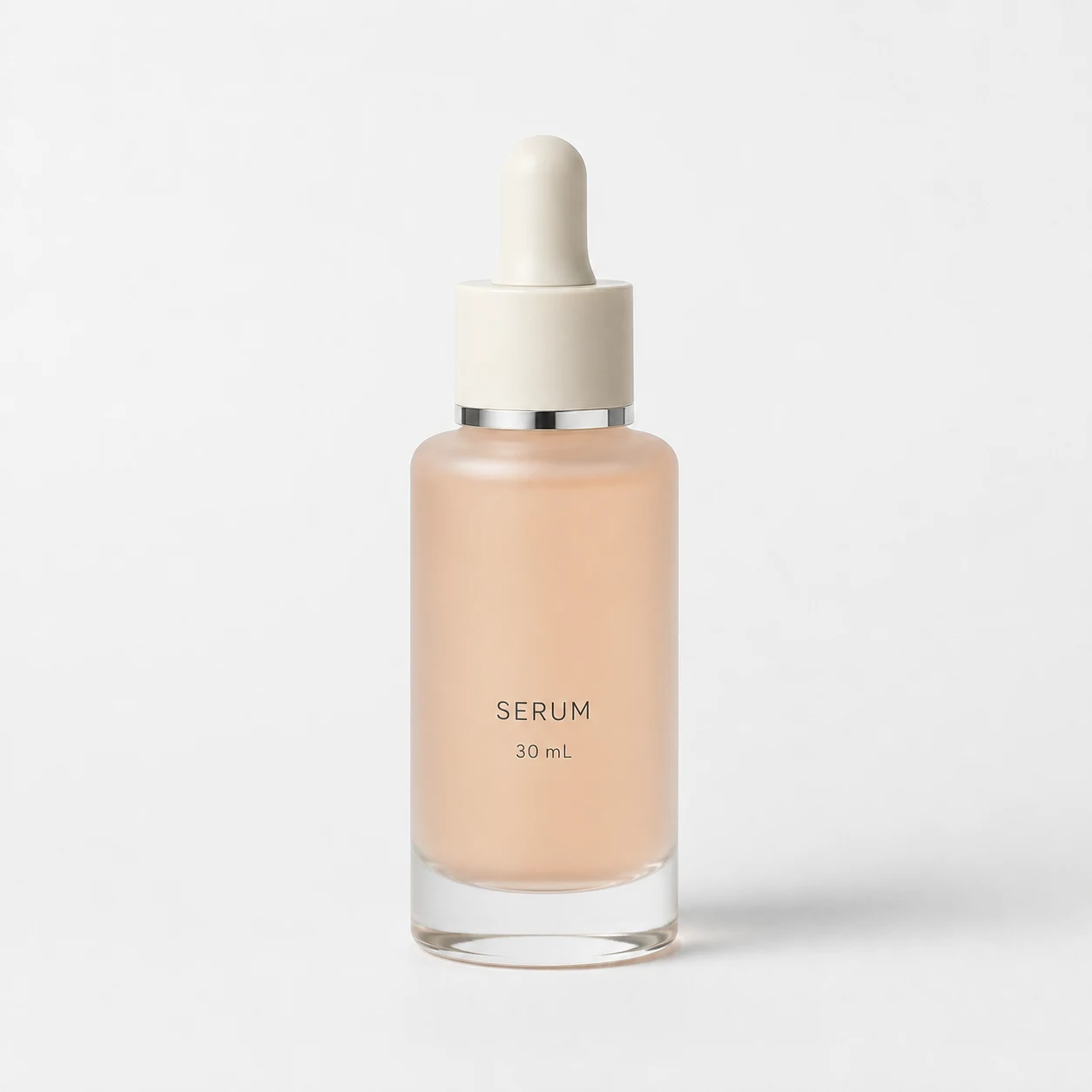
This image lets us point to the ivory dropper, silver ring, shoulder, glass base and the two lines “SERUM / 30 mL.” But it is also an AI example. Without real product records, we cannot mark it completely accurate.
For your own item, keep current variant photos, packaging text and the actual accessory list alongside the output. Checking one AI image against the previous one may simply pass the same error along. If a side view is missing, supply it rather than accepting close enough.
Replace “does it look right?” with answerable questions
- Read the text first. Compare brand, model and volume letter by letter with the packaging artwork. A readable “30 mL” is not proof that the real bottle holds that amount.
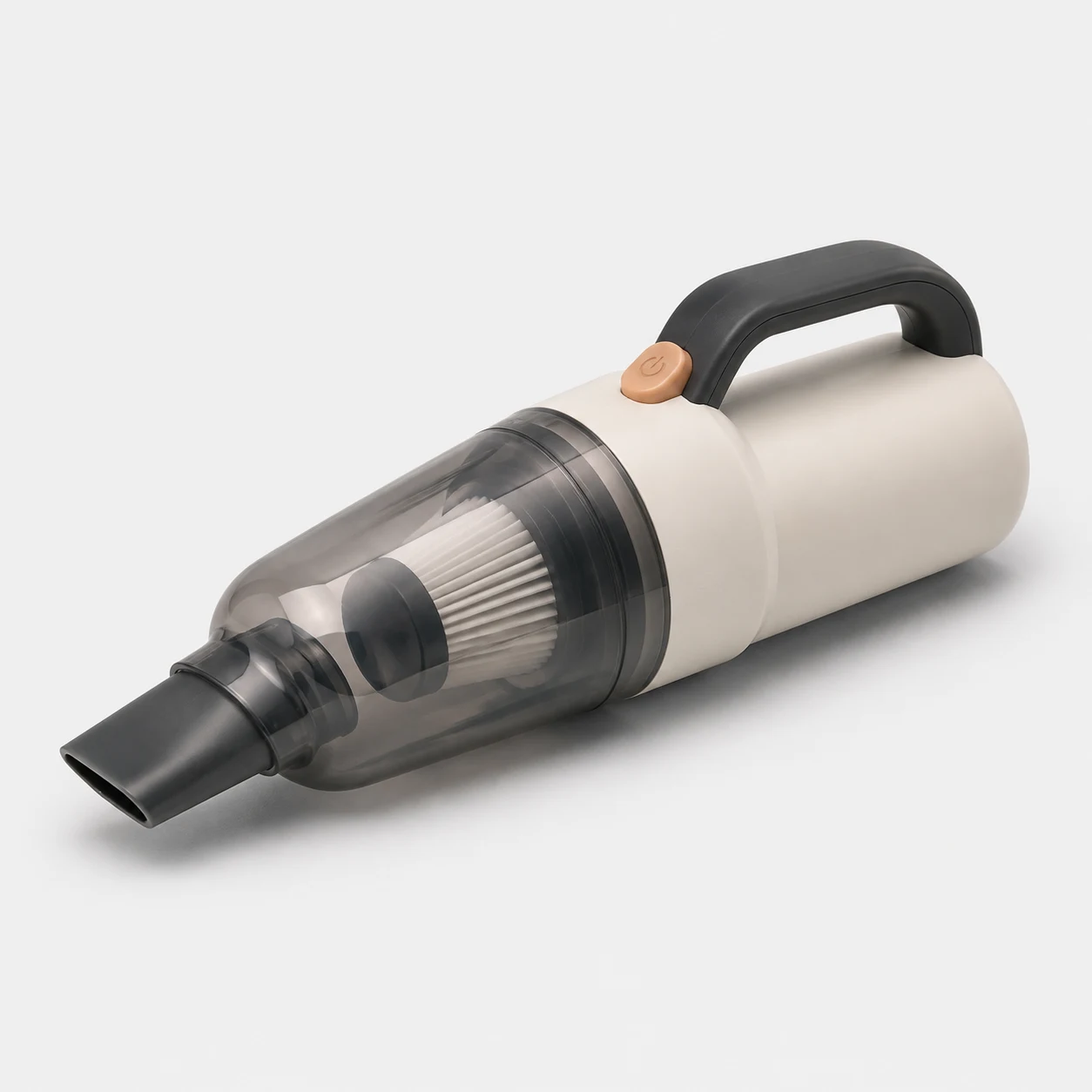
- Check the structure. Does the cap's height relative to the body, the ring position and the shoulder match? For a device, inspect buttons, ports and nozzles.
- Check material. Warmer light is a creative change; glass becoming plastic or a clear bottle becoming opaque is a product change. If color is uncertain, compare a photo taken in neutral light.
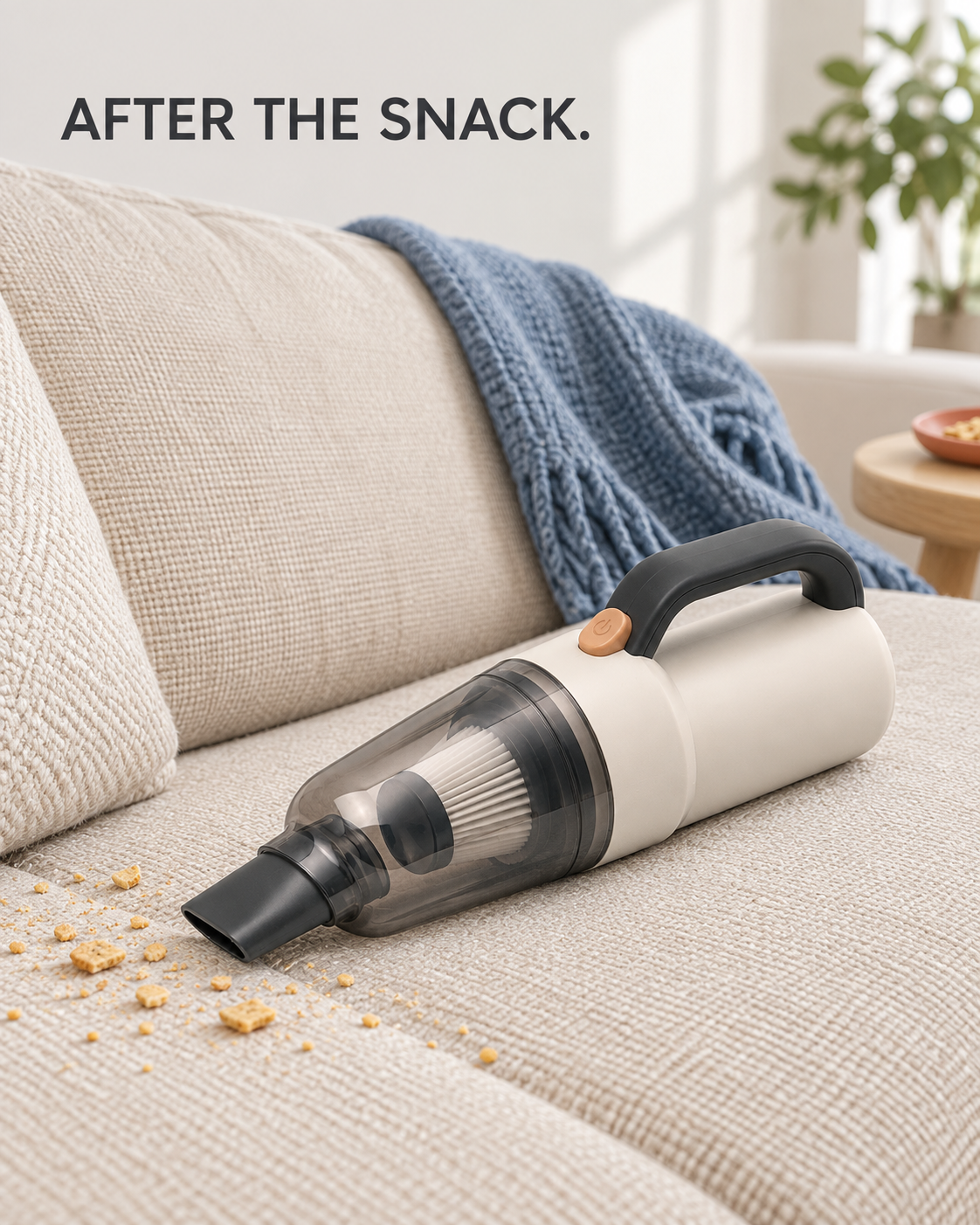
- Inspect surrounding objects. Could a tray, towel or extra nozzle look like part of the selected bundle? Revise the scene or clarify the offer where that misunderstanding is plausible.
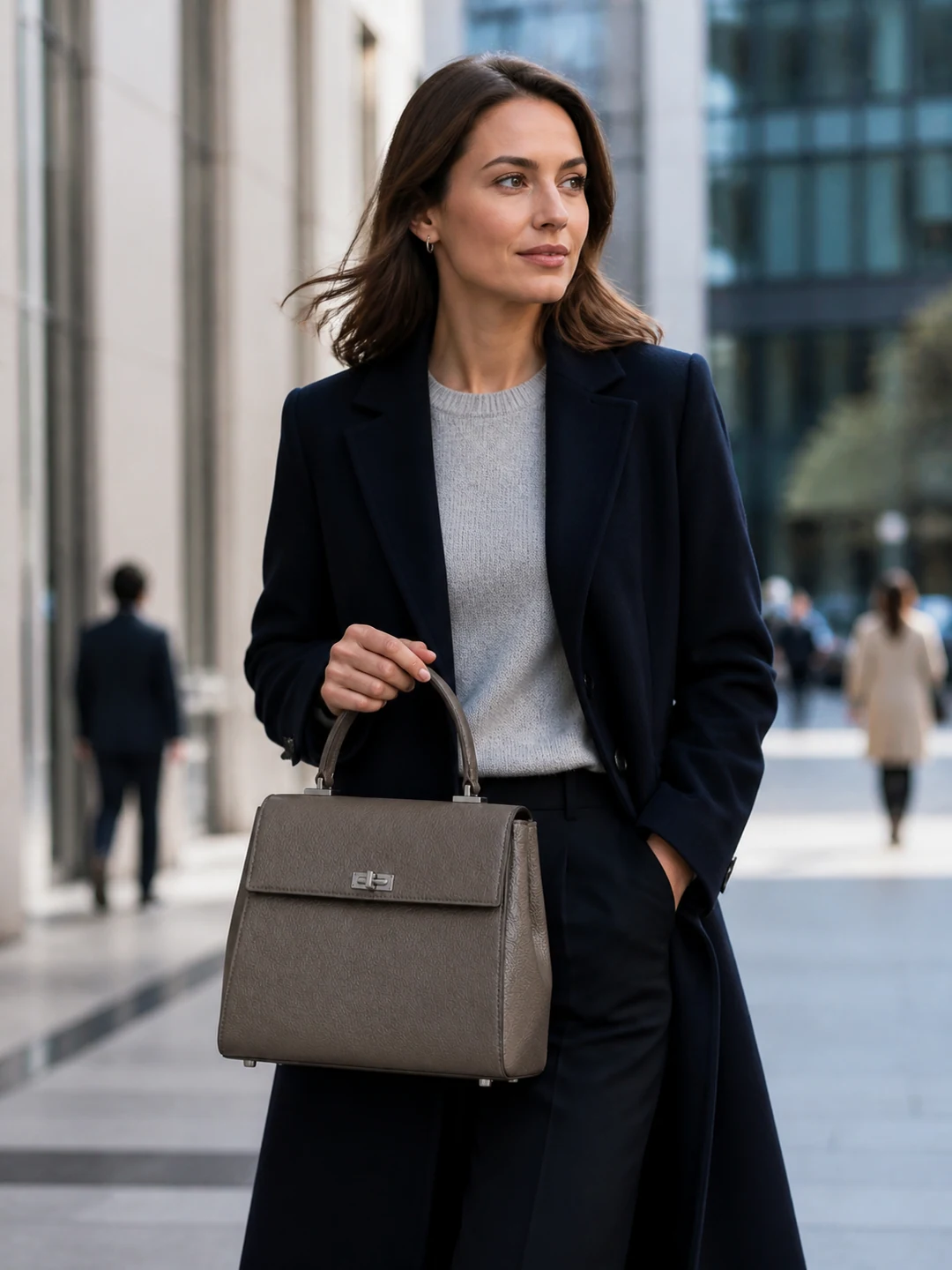
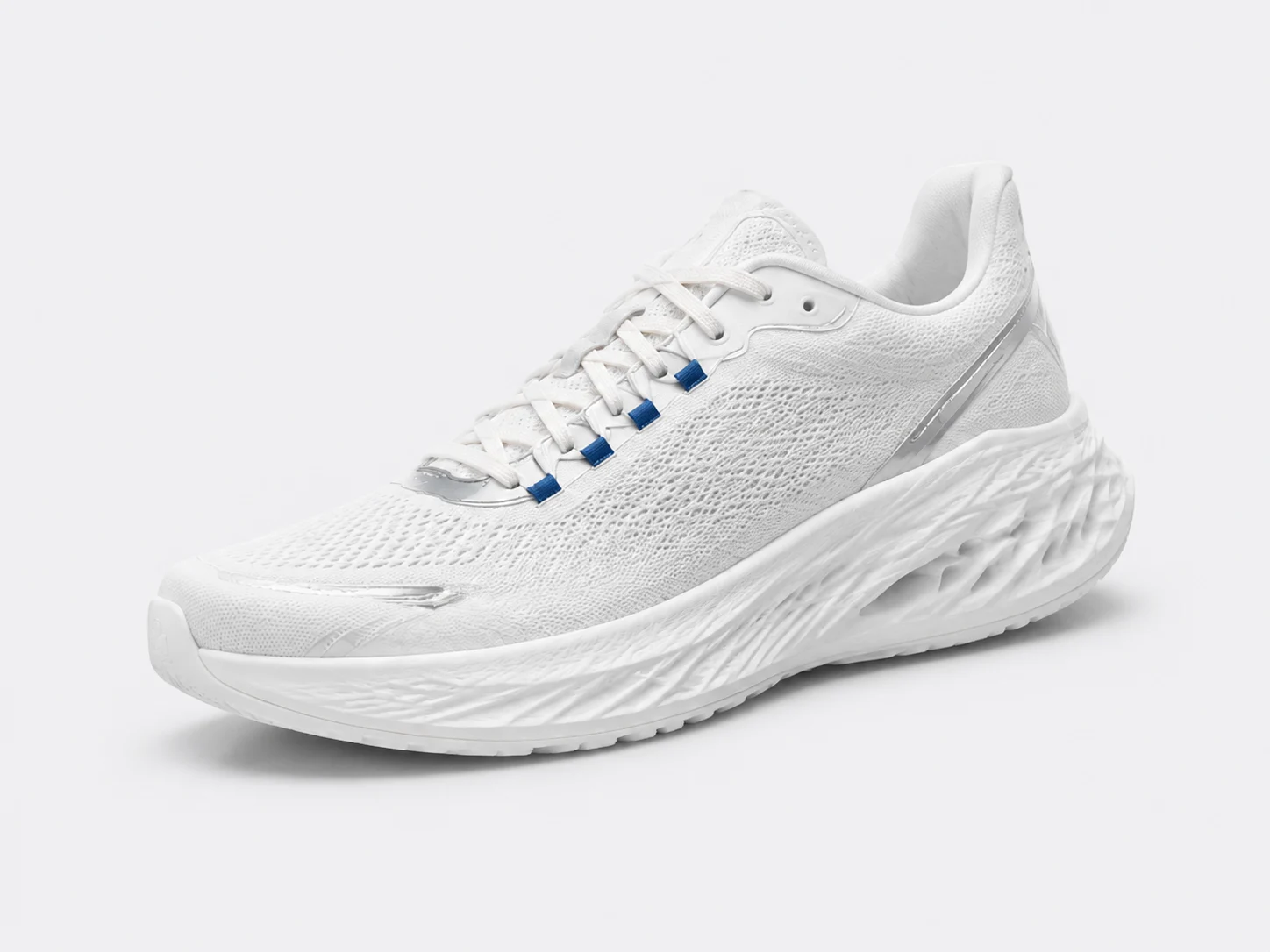
- With people, check contact points. Is the hand holding the item, is the foot inside the shoe, and does anything pass through a finger? Do not inspect only the face.
Pending verification is a valid answer for any item. Perspective matters especially for proportions. One angled view does not establish that a bottle is too wide; use a matching viewpoint or measurements before deciding.
An image can mislead without spelling it out
 Enlarge image
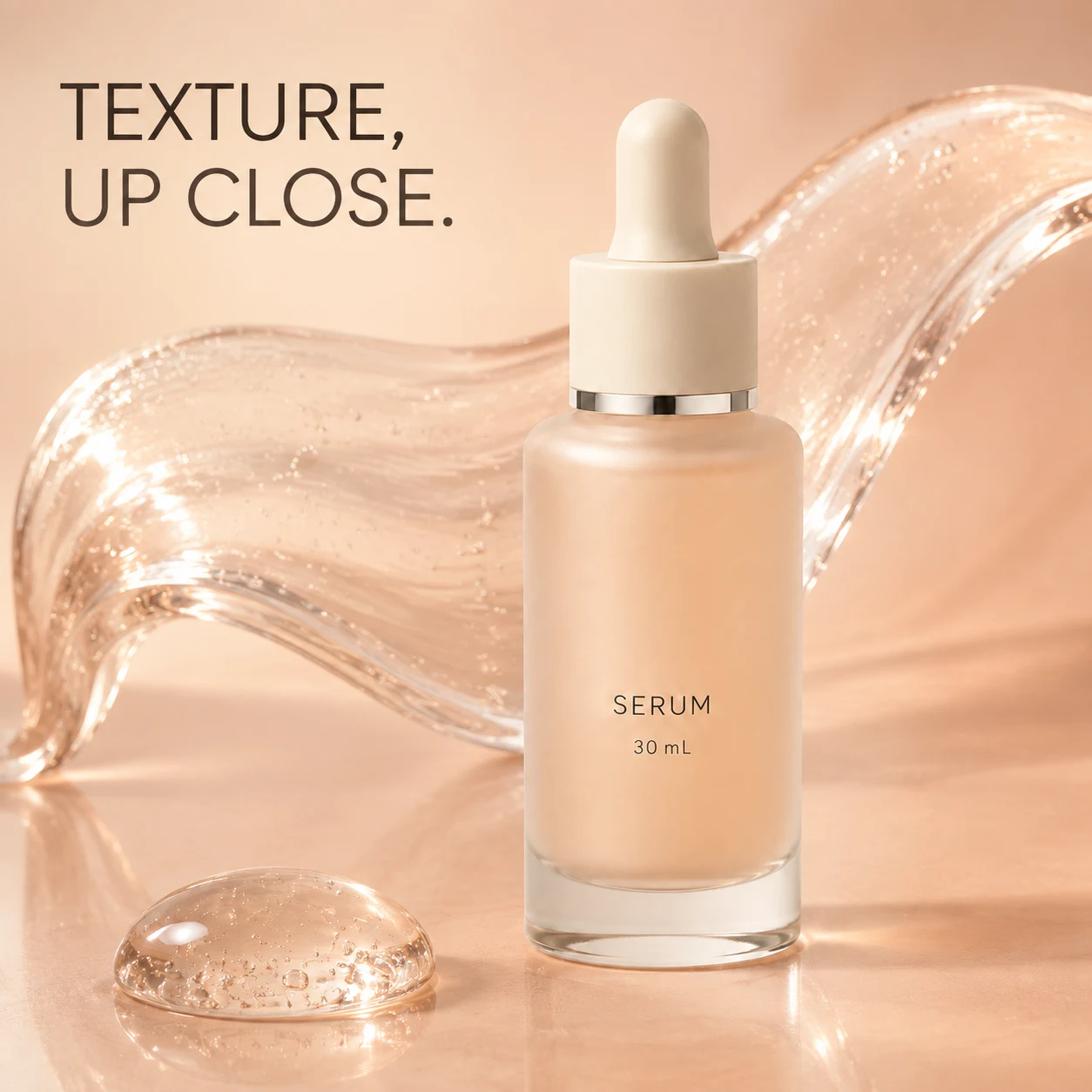
The clear gel suggests texture; it does not prove hydration or another benefit. The review question is no longer whether it looks attractive, but whether a real texture photo supports the idea. Without one, send a specific texture question to the product owner. Certifications, sales figures and before-and-after claims also need their own evidence.
Do not leave the review at “something feels wrong.” Here is a hypothetical record assuming verified packaging states 30 mL. It is a recording example, not a claim that the pictured image has the wrong capacity:
- Packaging text
- Artwork: 30 mL. Image under review: 50 mL. Needs repair. Replace using the supplied packaging artwork and proofread the result.
- Extra props
- The selected bundle contains one serum bottle only. If the tray looks included, adjust the setting or clarify before delivery.
- Texture
- No real texture photo: pending verification. Ask the product owner for one instead of using an earlier AI image as evidence.
Not every problem needs a complete remake
| What you found | What I would do |
|---|---|
| Distracting background, accurate product | Retouch the background while preserving the checked product. |
| Wrong label text, with correct shape and placement | Replace it with real packaging artwork and proofread, rather than repeatedly asking AI to guess. |
| Changed cap, port or sole structure | Rebuild the product from real references or composite the real item into the scene. Do not hide the error with a crop. |
| Uncertain color, accessories or texture | Get the product evidence first. Mark it pending verification and hold publication. |
Product variant / SKU being checked: Reference: real photos, packaging artwork and accessory list, with versions Text and labels: passed / needs repair / pending verification Shape, material and color: passed / needs repair / pending verification Accessories and use: passed / needs repair / pending verification Evidence for any implied function or texture: Who needs to supply which missing information: Areas to recheck after editing: Pre-publication decision: proceed to placement review / hold publication
Recheck the affected area after a repair. A replaced label can have implausible reflections; a removed prop can leave its shadow behind. Then inspect the actual preview on a phone. Product accuracy and platform approval remain separate checks.
Key takeaways
- Use real photos and packaging records, not a previous AI image, as the reference.
- Check wording, structure and implied claims separately; attractive is not the same as accurate.
- Separate retouching, rebuilding and pending verification; hold publication when you cannot confirm a detail.
Read the packaging text before praising the lighting. Turn any uncertainty into a specific question for someone with real product records, rather than approving the overall impression.